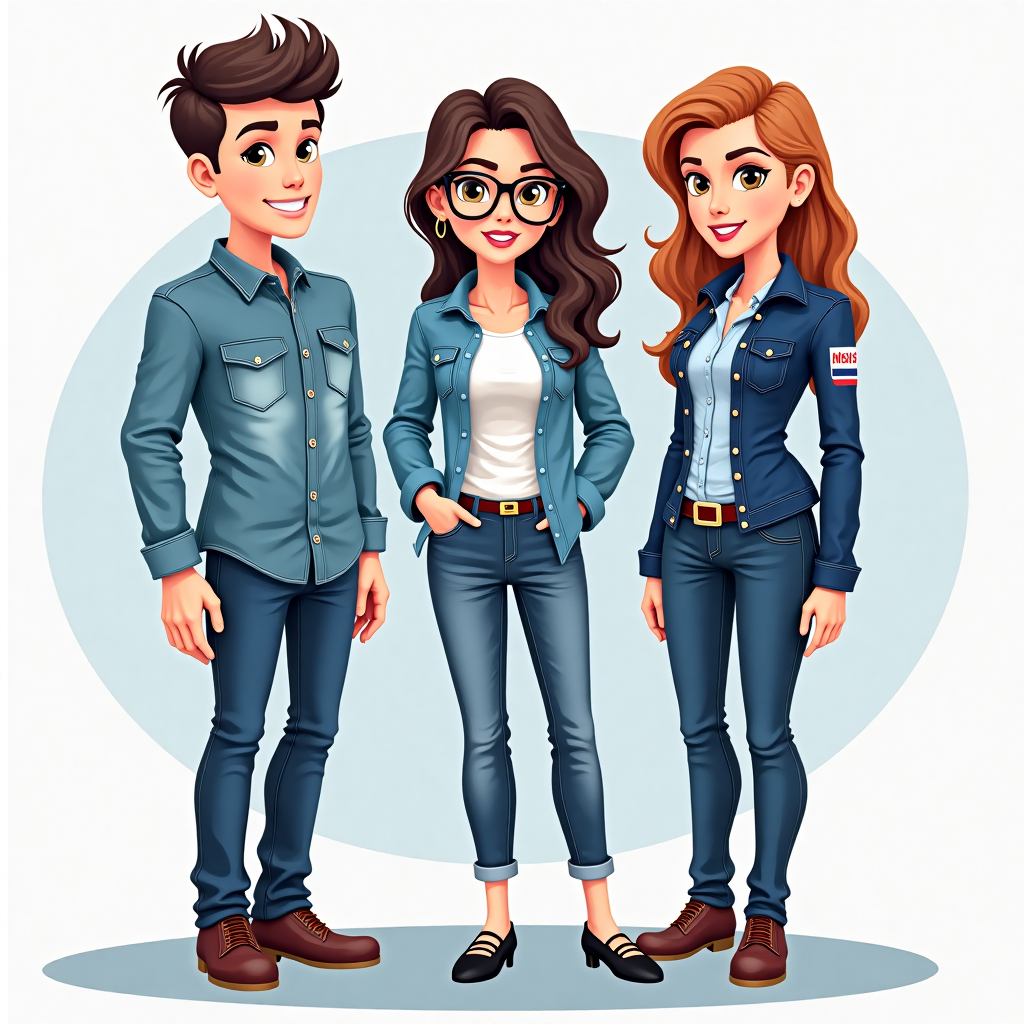
Upcycled Fashion DIY: How to Remake Old Shirts, Repurpose Jeans, and Create Handmade Fashion Crafts
There is something deeply satisfying about opening your closet, pulling out a pile of worn shirts and faded jeans, and transforming them into pieces that feel entirely new. Upcycled fashion DIY is more than just a trend; it is a creative movement that allows you to reduce textile waste, save money, and build a wardrobe that reflects your personal style. Whether you are a seasoned maker or a complete beginner, learning to remake old shirts and repurpose jeans opens up endless possibilities for handmade fashion crafts that are both practical and beautiful.
The beauty of upcycling is that no two projects are ever the same. An oversized button-down can become a cropped shacket, a pair of torn jeans can become a structured denim tote, and fabric scraps can be transformed into accessories that elevate your everyday outfits. By working with what you already own, you bypass the environmental cost of fast fashion and create garments that carry a story. In this guide, we will walk through the essential techniques, inspiring projects, and professional tips you need to turn forgotten garments into standout pieces.
Before diving into your first project, it helps to understand why upcycled fashion has captured the attention of designers, influencers, and home sewists alike. The fashion industry is one of the largest polluters in the world, and every garment rescued from the landfill makes a meaningful difference. Beyond the environmental impact, handmade fashion crafts give you permission to experiment without perfection. A slightly uneven hem or a visible patch becomes part of the charm, proof that the item was made by hand and with intention.
Why Upcycled Fashion DIY Matters
Upcycled fashion is not simply about cutting up old clothes; it is about rethinking the lifecycle of what we wear. Every time you choose to remake old shirts instead of buying new ones, you reduce demand for virgin materials, water, and chemical dyes. Denim production, for example, requires thousands of liters of water for a single pair of jeans. When you repurpose jeans, you extend that garment’s life and honor the resources that went into making it.
There is also a creative freedom that comes with upcycling. Unlike sewing from scratch, where a mistake can feel costly, working with old garments lowers the stakes. If one idea does not work, you can cut it apart and try another. This experimental mindset is at the heart of handmade fashion crafts. You learn to see the hidden potential in every seam, pocket, and button. A shirt’s cuff can become a bracelet, a jeans pocket can become a coin purse, and a sleeve can be reborn as a scrunchie.
Finally, upcycled fashion DIY builds a more personal relationship with your wardrobe. When you invest time in altering a garment, you are more likely to care for it, repair it, and keep it for years. That shift from passive consumer to active maker is powerful. Your closet becomes a collection of one-of-a-kind pieces that cannot be replicated by any fast fashion brand.
Essential Tools and Materials for Handmade Fashion Crafts
Before starting any upcycling project, gather a small but versatile toolkit. You do not need a professional sewing studio to achieve beautiful results. Most projects can be completed with basic supplies and a bit of patience. Having the right tools makes the process safer, faster, and more enjoyable.
Basic Toolkit
- Fabric scissors: Sharp scissors reserved only for fabric will prevent frayed edges and uneven cuts.
- Seam ripper: Essential for carefully removing pockets, seams, and labels without damaging the fabric.
- Measuring tape: Keeps hems even and helps you plan cutting lines precisely.
- Pins and clips: Hold layers together while you sew or glue.
- Needles and thread: A basic hand-sewing kit in neutral and matching colors works for most projects.
- Sewing machine: Optional, but helpful for larger pieces like reconstructed jackets or denim bags.
- Fabric glue or fusible webbing: Great for no-sew projects and quick fixes.
- Chalk or washable fabric marker: Allows you to trace patterns and cutting lines cleanly.
Sourcing and Preparing Old Garments
The best materials for upcycled fashion DIY are already hiding in your home. Look for shirts with interesting prints, soft cotton knits, and denim with unique fading. Thrift stores, garage sales, and clothing swaps are also excellent sources for inexpensive garments that deserve a second life. Before cutting, always wash and dry the items thoroughly. This removes dirt and shrinkage, ensuring your finished piece will not warp after its first wash.
Once clean, inspect each garment for stains, holes, and weak areas. Sometimes flaws can be incorporated into the design. A small tear in a flannel shirt might become the perfect place for a contrasting patch. A frayed jeans hem can be styled as intentional distressing. By working with imperfections rather than against them, you create authentic handmade fashion crafts that feel organic and lived-in.
Remake Old Shirts: Creative Transformations
Old shirts are among the most versatile materials for upcycling. Their fabric is usually soft, easy to handle, and available in a wide range of colors and patterns. From casual t-shirts to crisp button-downs, each type of shirt offers different possibilities. Learning to remake old shirts can completely change how you view your wardrobe.
No-Sew T-Shirt Tote Bag
One of the easiest projects for beginners is turning a t-shirt into a reusable tote bag without sewing a single stitch. Choose a sturdy cotton t-shirt with minimal stretch. Lay it flat and cut off the sleeves along the seams. Then cut a wider neckline to create handles. Turn the shirt inside out and cut fringe strips along the bottom hem, about one inch wide and three inches long. Tie the front and back fringe pieces together tightly in double knots. Turn the bag right side out, and you have a soft, washable tote perfect for groceries or books.
This project is ideal for practicing clean cuts and understanding how knit fabric behaves. It also demonstrates a key principle of upcycled fashion DIY: the original shape of the garment can guide the final design. The t-shirt’s natural hem becomes the bag’s top edge, and its body becomes the main compartment.
Off-Shoulder Top from a Button-Down
If you have an oversized men’s shirt, you can transform it into a feminine off-shoulder top with minimal sewing. Start by trying on the shirt and marking where you want the elastic to sit across your chest or shoulders. Cut the shirt across that line, removing the collar and button placket. Fold over the top edge to create a casing and sew it down, leaving a small opening. Thread elastic through the casing, pull it to fit comfortably, and secure the ends. The result is a breezy top with a romantic silhouette.
This project is a perfect example of how to remake old shirts into something that feels completely new. The existing buttons, cuffs, and hem can be left intact for added detail. Pair the top with high-waisted jeans for a balanced look, or layer it over a slip dress for a softer effect.
Patchwork Shacket from Worn Flannels
For a more advanced project, combine several worn flannel shirts into a patchwork shacket. Cut the shirts into large rectangular panels, removing buttons and collars. Arrange the panels on a flat surface to create a pleasing composition, mixing colors and plaids. Sew the panels together with a straight stitch, pressing each seam open. Use a basic jacket pattern or trace an existing jacket to cut the front, back, and sleeves from your new patchwork fabric. Add a simple lining from an old sheet for warmth and a polished finish.
This project truly embodies the spirit of handmade fashion crafts. It requires patience and an eye for color, but the result is a completely unique outerwear piece that tells a story through every patch. Even beginners can practice patchwork on smaller items like pillow covers before tackling a full jacket.
Repurpose Jeans: From Worn Denim to Statement Pieces
Denim is one of the most durable and rewarding fabrics to work with. Its weight, texture, and iconic blue tones make it ideal for structural projects. When you repurpose jeans, you tap into a material that only gets better with age. Faded whiskering, worn knees, and distressed hems give each piece distinct character.
Distressed Denim Shorts with Custom Fringe
The classic cut-off shorts are a rite of passage for anyone interested in upcycling. To begin, put on an old pair of jeans and mark the desired length with chalk. Cut slightly longer than the mark to allow for fraying. After cutting, pull at the white threads along the hem with tweezers or your fingers to create a fringed edge. For a more distressed look, use sandpaper or a cheese grater to wear down the fabric around the pockets and thighs.
To make the shorts more unique, add fabric patches behind large holes or embroider small flowers along the hem. This blend of destruction and embellishment is central to upcycled fashion DIY. It allows you to control exactly how distressed and decorated your piece becomes. The shorts can be paired with tights in cooler weather or worn beachside in summer.
Denim Tote Bag with Natural Pockets
Jeans come with built-in pockets that are perfect for creating a functional tote bag. Cut off the legs of an old pair of jeans just below the crotch seam. Turn the remaining top section inside out and sew the bottom opening closed, either with a straight stitch across the crotch curve or by cutting a rectangular panel to fit. Use the existing waistband as the top edge of the bag. For handles, cut strips from the denim legs, fold them lengthwise, and sew them securely to the inside of the waistband.
Because the original pockets remain intact, your tote has instant storage for a phone, keys, or wallet. The heavy denim holds its shape well, even when empty. This is an excellent project for those who want to repurpose jeans into something both striking and practical. You can leave the jeans’ original topstitching visible for an authentic, rugged look.
Patchwork Denim Throw Pillow or Floor Cushion
If you have multiple pairs of jeans in different washes, consider making a patchwork denim cover for a throw pillow or floor cushion. Cut the legs into squares or rectangles of equal size. Arrange them in a grid, alternating light and dark denim for high contrast. Sew the squares together row by row, then sew the rows together to form the front panel. Cut a plain back panel from an old cotton sheet or a single piece of denim. Sew the front and back panels right sides together, leaving an opening for the pillow insert, then turn and stuff.
The patchwork technique is a staple of handmade fashion crafts because it transforms scraps into a cohesive new textile. Denim’s stiffness makes it especially suited for cushions that need to withstand daily use. Add a layer of fusible interfacing to the back of each square if you want extra structure. The result is a durable, stylish piece for your living space that would cost a fortune if purchased from a home décor store.
Handmade Fashion Crafts: Embellishments and Accessories
Sometimes the best way to refresh a garment is not to reconstruct it completely, but to add thoughtful handmade details. Handmade fashion crafts such as fabric flowers, embroidered patches, and braided belts can bring new life to an otherwise plain piece. These smaller projects are perfect for using up scraps left over from larger upcycling sessions.
Fabric Flower Brooches and Hair Accessories
Fabric flowers can be made from shirt sleeves, denim seams, or any lightweight scrap. Cut a strip of fabric about two inches wide and twelve to twenty inches long. Fold the strip in half lengthwise and twist it as you roll it into a spiral, securing the base with hot glue or hand stitches every few turns. Fluff the petals outward to create a rose-like shape. Attach a pin back, hair clip, or elastic band to the base.
These fabric flowers can be pinned to a denim jacket, clipped into a messy bun, or sewn onto the toe of a pair of canvas shoes. Because they use such small amounts of material, they are an ideal way to experiment with color and texture. By making several in different fabrics, you create a collection of interchangeable accessories that match any outfit.
Braided Denim and Fabric Belts
Old jeans legs and shirt strips can be braided into sturdy, boho-inspired belts. Cut three long strips of denim about two inches wide. You can also mix in strips of colorful cotton from old shirts for contrast. Knot the strips together at one end and braid them tightly. When the braid reaches your desired length, knot the other end and fray the tails for a casual look. To wear, simply tie the belt around your waist, letting the tails hang loose.
This project is an excellent introduction to working with denim because it requires no sewing. The thickness of the denim gives the belt body and durability. You can also braid thinner strips to create bracelets or headbands. These simple accessories prove that repurpose jeans projects do not have to be large or time-consuming to make a big impact.
Embroidered Patches and Visible Mending
Embroidery is a beautiful way to personalize your upcycled garments. Stains or small holes can be covered with embroidered patches made from scrap fabric. Draw a simple shape such as a heart, star, or daisy onto a piece of fabric, then satin stitch the edges to prevent fraying. Cut around the shape and sew it onto the garment with a whip stitch. This technique is often called visible mending because the repair becomes a decorative feature rather than something to hide.
Adding embroidery to a shirt collar or jeans pocket is another way to incorporate handmade fashion crafts into your daily wardrobe. Use a water-soluble stabilizer to trace your design, then embroider directly onto the garment. Even simple running stitches in bright thread can transform a plain shirt into a conversation piece.
Common Mistakes and Pro Tips for Upcycled Fashion DIY
Even experienced makers encounter challenges when working with old garments. Understanding common pitfalls will help you avoid frustration and produce pieces you are proud to wear. One of the most frequent mistakes is cutting fabric without a clear plan. Before you make the first cut, spend time visualizing the final piece. Try the garment on, mark your lines, and keep in mind that you can always cut more, but you cannot add fabric back.
Another common issue is choosing overly stretchy or slippery fabric for a project that requires structure. For example, a lightweight jersey t-shirt may not work well as a structured bag or patchwork piece. In that case, use interfacing or pair the fabric with denim for added stability. When you remake old shirts, think about whether the fabric’s drape will help or hinder the final design.
When you repurpose jeans, use a heavy-duty needle if you are machine sewing. Denim can be tough, and a standard needle may bend or break. Go slowly over thick seams and consider using a denim needle size 90/14 or 100/16. If the machine struggles, hand-crank the wheel over bulky intersections instead of forcing the pedal.
Finally, do not be afraid to combine techniques. The most exciting handmade fashion crafts often mix materials, colors, and methods. A denim tote looks even better with a fabric flower pinned to the front. A patchwork shacket feels more personal with embroidered details on the pockets. Upcycling is about experimentation, so give yourself permission to play.
Conclusion
Upcycled fashion DIY is a creative, sustainable, and deeply rewarding way to engage with your wardrobe. By learning to remake old shirts, repurpose jeans, and explore handmade fashion crafts, you can transform forgotten garments into pieces that are both stylish and meaningful. Each project, from a simple no-sew tote to an intricate patchwork jacket, helps reduce textile waste and builds a stronger connection to the clothes you wear.
The projects shared in this guide are just the beginning. Once you master the basics, you will start seeing potential everywhere: in a torn sleeve, a worn pocket, or a frayed hem. With a small toolkit, a bit of imagination, and a willingness to experiment, your closet can become a source of endless creative possibility. So gather those old shirts and jeans, clear a workspace, and start making something beautiful today.