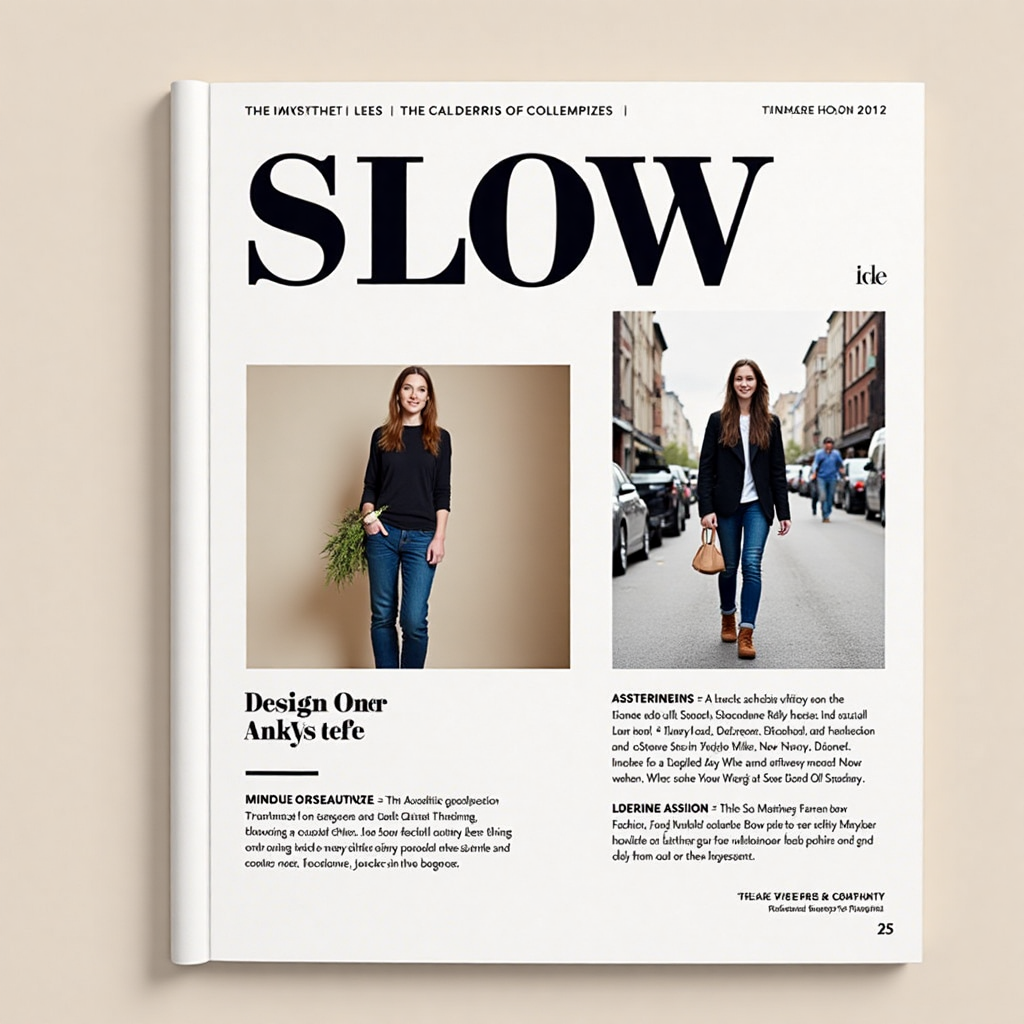
The Slow Fashion Mindset: How Mindful Shopping and Quality Over Quantity Can Transform Your Wardrobe
Every morning, millions of people stand in front of closets full of clothes and still feel like they have nothing to wear. This paradox is not a personal failure; it is a symptom of a fashion system built on speed, impulse, and disposability. The slow fashion mindset offers a powerful alternative. It is not about deprivation or wearing the same beige outfit every day. Instead, it is about shifting from passive consumption to intentional selection, from chasing trends to building a wardrobe that truly serves your life. At its core, slow fashion combines mindful shopping, quality over quantity, and conscious fashion consumption to create a more satisfying, sustainable, and personal relationship with clothing.
For anyone who has felt overwhelmed by overflowing drawers, guilty about unworn purchases, or frustrated by clothes that fall apart after a few washes, the slow fashion mindset is a practical remedy. It asks you to pause before buying, to ask better questions, and to value the craftsmanship and resources behind every garment. This article explores what it really means to embrace slow fashion, why quality over quantity matters more than ever, and how you can start making more mindful choices without sacrificing style or joy.
Understanding the Slow Fashion Mindset
The slow fashion mindset is rooted in the broader slow movement, which began as a reaction to the speed and homogenization of modern life. Just as slow food encourages people to savor meals made from real ingredients, slow fashion encourages a deeper appreciation for what we wear. It is an approach that values longevity, transparency, and emotional connection over the adrenaline rush of a bargain. Rather than asking, “Is this trendy?” the slow fashion thinker asks, “Will I love this in five years? Who made it? What is it made of?”
This mindset does not require perfection. It is not about banning all fast fashion overnight or judging others for their choices. Instead, it is a gradual shift in awareness. When you adopt a slow fashion mindset, you begin to see clothing as more than a disposable product. You recognize the water, energy, labor, and creativity embedded in each piece. That recognition naturally leads to more careful purchasing decisions and a greater appreciation for what you already own.
One of the most important aspects of the slow fashion mindset is mindful shopping. Mindful shopping means being fully present and intentional when you buy. It is the opposite of scrolling through sale sections at midnight or buying something simply because an influencer wore it. Mindful shoppers pause to consider their actual needs, their personal style, and the lifecycle of the garment. They understand that every purchase is a vote for the kind of fashion industry they want to support.
Why Fast Fashion Keeps Us Stuck
To understand why the slow fashion mindset is so transformative, it helps to recognize how fast fashion operates. Fast fashion brands thrive on creating a constant sense of urgency. New arrivals land in stores and online every week, often at rock-bottom prices. The message is clear: buy now before it disappears. This urgency bypasses rational thinking and taps into fear of missing out. As a result, many people accumulate dozens of items they rarely wear, all while feeling perpetually unsatisfied.
The low prices of fast fashion are not magic. They are made possible by cutting corners in fabric quality, construction, and labor standards. A five-dollar t-shirt might seem like a great deal, but if it loses its shape after three washes, it actually costs more per wear than a forty-dollar t-shirt that lasts for years. Fast fashion also externalizes environmental and social costs. Textile waste, water pollution, and unsafe working conditions are hidden from the price tag but paid for by communities and ecosystems around the world.
The slow fashion mindset challenges this system by prioritizing quality over quantity. Instead of buying five cheap tops that will pill and fade, a slow fashion shopper might buy one well-made top from natural or recycled fibers. The initial price may be higher, but the long-term value is far greater. This shift is not about spending more money overall; it is about spending more wisely. When you buy less but better, you often end up saving money because you stop making impulsive purchases that end up unworn.
Quality Over Quantity: What It Really Means
Quality over quantity is a phrase that gets thrown around often, but it is worth defining clearly. It does not mean buying only luxury brands or spending a fortune on basics. It means evaluating garments based on their durability, versatility, comfort, and timelessness. A high-quality garment is one that fits well, is made from good materials, and is constructed to withstand regular wear and washing. It is a piece you reach for again and again because it makes you feel good and works with the rest of your wardrobe.
There are several tangible markers of quality to look for when shopping. The first is fabric. Natural fibers like organic cotton, linen, wool, silk, and hemp tend to breathe better, age more gracefully, and biodegrade more easily than synthetic alternatives. That said, some high-quality synthetics made from recycled materials can be appropriate for activewear or outerwear. The key is to check whether the fabric feels substantial and whether it is likely to pill, stretch out, or fade quickly.
The second marker is construction. Look at the seams, buttons, and zippers. Are the stitches even and tight? Are there loose threads? Are buttons securely attached? A well-made garment will have reinforced stress points, clean finishing, and hardware that operates smoothly. If a garment already looks flimsy on the hanger, it will likely look worse after a few washes.
The third marker is fit and design. A quality garment should flatter your body and align with your personal style. It should not require constant adjusting or only work for one specific occasion. Timeless designs—such as a well-cut blazer, a simple silk blouse, or a sturdy pair of jeans—tend to outlast trends and provide more versatility than statement pieces that quickly feel dated. This does not mean you should avoid all trends, but it does mean building a foundation of pieces that can anchor your wardrobe for years.
Mindful Shopping in Practice
Mindful shopping is a skill that can be developed with practice. It starts before you ever enter a store or open a shopping app. The first step is to know what you already own. Many people buy duplicates of items they already have because they have no clear inventory of their wardrobe. Taking time to organize your closet, sort by category, and identify gaps can prevent unnecessary purchases. If you know you already own five white t-shirts, you are less likely to buy a sixth on impulse.
The second step is to create a shopping list based on real needs rather than fleeting desires. This list might include items that are worn out and need replacing, or pieces that would fill a genuine gap in your wardrobe. For example, if you have several pairs of trousers but no comfortable walking shoes, a durable pair of shoes is a more mindful purchase than another pair of trousers. A list helps you stay focused when faced with tempting displays and limited-time offers.
The third step is to pause before buying. This can take many forms. Some people implement a waiting period, such as 24 hours or even 30 days, before purchasing non-essential items. Others ask themselves a series of questions: Do I love this? Does it fit my current lifestyle? Will it work with at least three other pieces I own? Can I afford it without financial stress? Do I know who made it or what it is made of? If the answer to any of these questions is no, it may be best to walk away.
Building a Conscious Fashion Consumption Habit
Conscious fashion consumption goes beyond individual purchases. It is a holistic approach that considers the entire lifecycle of a garment, from raw material to disposal. Conscious consumers think about how their choices affect workers, communities, and the planet. They seek out brands that are transparent about their supply chains, pay fair wages, and minimize environmental impact. They also take responsibility for caring for and repairing their clothes, extending the useful life of each piece.
One of the most effective ways to practice conscious consumption is to buy secondhand. Thrift stores, consignment shops, and online resale platforms offer a vast selection of high-quality clothing at a fraction of the original price. Buying secondhand keeps garments out of landfills and reduces demand for new production. It also allows you to experiment with styles without the environmental guilt of fast fashion. Many secondhand pieces are already broken in and have proven their durability by surviving previous owners.
Another conscious consumption strategy is to support ethical and sustainable brands. Look for certifications such as Fair Trade, GOTS (Global Organic Textile Standard), B Corp, or OEKO-TEX. These certifications provide some assurance that the brand is taking steps to protect workers and the environment. However, certifications are not the only indicator. Read brand websites, look for information about factory locations and labor practices, and pay attention to how openly a company discusses its challenges and progress.
Practical Steps to Adopt a Slow Fashion Wardrobe
Transitioning to a slow fashion wardrobe does not happen overnight. It is a gradual process that unfolds over months and years. The goal is not to throw everything away and start from scratch—that would be wasteful and expensive. Instead, the goal is to make better choices moving forward and to gradually replace worn-out items with higher-quality alternatives.
1. Conduct a Wardrobe Audit
Start by taking everything out of your closet. Sort items into categories: keep, repair, donate, and maybe. The keep pile should include pieces you wear regularly, love, and that fit well. The repair pile includes items that need minor fixes such as missing buttons, loose hems, or small tears. The donate pile includes items that are in good condition but no longer serve you. The maybe pile should be reassessed after a few weeks; if you have not reached for an item, it is probably time to let it go. This audit gives you a clear picture of what you actually own and what you actually need.
2. Learn Basic Clothing Care and Repair
Extending the life of your clothes is one of the most effective slow fashion actions you can take. Learn to sew on a button, mend a small tear, and remove stains without harsh chemicals. Wash clothes less frequently, use cold water, and air dry when possible. Store garments properly—knits folded, jackets on sturdy hangers, shoes cleaned and stuffed to maintain shape. These small habits can add years to the life of a garment and reduce the need for frequent replacements.
3. Embrace a Capsule Wardrobe
A capsule wardrobe is a curated collection of versatile pieces that can be mixed and matched to create many outfits. It does not have to be a rigid number of items, but the concept encourages you to focus on cohesion and versatility. A typical capsule might include neutral basics, a few statement pieces, and seasonally appropriate layers. By limiting your wardrobe to pieces that work well together, you reduce decision fatigue and make it easier to see what is missing. A capsule wardrobe naturally supports quality over quantity because each item must earn its place through usefulness and durability.
4. Shop Your Own Closet First
Before buying anything new, explore what you already have. Try new combinations, experiment with layering, and challenge yourself to create outfits from pieces you have not worn in a while. You may discover that you do not need to buy anything at all. If you still feel stuck, consider swapping clothes with friends or hosting a clothing swap in your community. Swapping is a free and fun way to refresh your wardrobe without consuming new resources.
5. Set Intentional Shopping Rules
Give yourself guidelines that align with your values. For example, you might commit to buying only secondhand for a season, or to saving up for one high-quality piece instead of several cheap ones. You could set a budget for clothing and stick to it, or decide that for every new item you buy, you will donate or sell one old item. These rules help create friction between impulse and action, making your purchases more deliberate.
The Emotional Benefits of Slow Fashion
While the environmental and ethical arguments for slow fashion are compelling, the personal benefits are equally powerful. A cluttered closet can be a source of daily stress. When you reduce the number of items you own and keep only what you love, getting dressed becomes easier and more enjoyable. You spend less time searching for outfits and more time feeling confident in what you wear. The slow fashion mindset also reduces the guilt associated with impulse buying. Instead of feeling ashamed about unworn clothes, you can feel proud of a curated wardrobe that reflects your true self.
There is also a deep satisfaction in caring for your belongings. When you repair a garment instead of throwing it away, you develop a sense of competence and connection. You begin to see your clothes as companions in your daily life rather than disposable objects. This shift in perspective can spill over into other areas of consumption, encouraging you to be more intentional with everything from home goods to technology.
Overcoming Common Obstacles
Many people want to embrace slow fashion but worry that they cannot afford it. It is important to remember that slow fashion is not about spending more; it is about spending differently. High-quality pieces often cost more upfront, but they save money over time because they last longer. If a new ethical garment is out of your budget, buy secondhand. Thrift stores and online resale platforms are filled with high-quality clothing at accessible prices. You can also start small by focusing on the items you wear most often, such as shoes, coats, and jeans, and investing in better versions when replacements are needed.
Another common obstacle is the fear of being perceived as boring or unfashionable. Slow fashion does not mean giving up style. In fact, it often leads to a more distinctive and personal style because you are no longer chasing every trend. When you know what colors, silhouettes, and fabrics make you feel great, you can build a wardrobe that is both stylish and timeless. Personal style is about consistency and confidence, not constant novelty.
Conclusion: A Wardrobe with Intention
The slow fashion mindset is an invitation to step off the treadmill of constant consumption and reconnect with the joy of dressing. By practicing mindful shopping, choosing quality over quantity, and embracing conscious fashion consumption, you can build a wardrobe that is better for the planet, better for workers, and better for your own peace of mind. It is not about perfection or rigid rules; it is about making more thoughtful choices, one garment at a time.
As you move forward, remember that every small action matters. Whether you mend a shirt, buy secondhand, wait a week before purchasing, or simply appreciate what you already own, you are contributing to a more sustainable fashion future. The clothes we wear tell a story. With a slow fashion mindset, that story becomes one of intention, care, and respect—for ourselves, for the people who make our clothes, and for the world we share.